
Tenting in the Winter: A Comprehensive Guide for Hikers and Campers
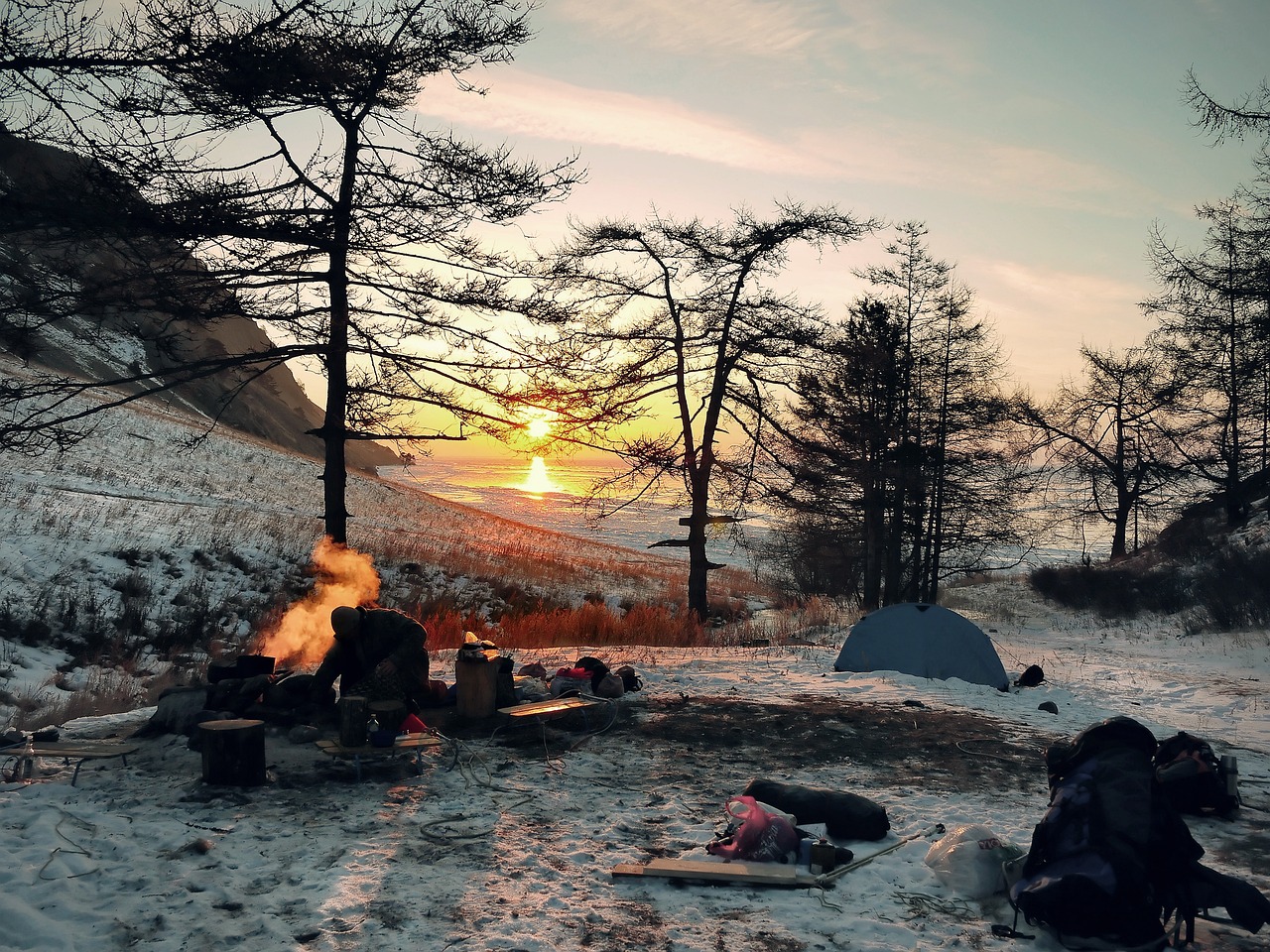
*Picture this: a serene winter landscape, untouched by human presence, with snow-covered trees and a glistening blanket of snow as far as the eye can see.
Are you an adventure enthusiast looking to embrace the beauty of winter by going tenting in the winter? Camping in cold weather can be an incredible experience, offering serene snow-covered landscapes and a unique sense of tranquility. However, it’s crucial to be well-prepared and equipped for the challenges that come with winter camping. In this comprehensive guide, we will provide you with the knowledge and tips you need to make your winter camping trip comfortable and safe.
Table of Contents
- The Importance of Layering
- Stay Dry, Stay Warm
- Getting a Good Night’s Sleep
- Choosing the Right Sleeping Bag
- Insulating Yourself from the Ground
- Finding the Perfect Campsite
- Staying Entertained
- Car Camping in the Winter
- Safety Precautions
- Conclusion
Let’s delve into the details and uncover the secrets to an amazing winter camping experience!
1. The Importance of Layering
When it comes to tenting in the winter, layering is the key to staying warm and comfortable throughout your camping trip. Layering effectively helps you regulate your body temperature by trapping heat and allowing moisture to escape. It consists of three main layers: a base layer, an insulating layer, and an outer shell.
Base Layer
The base layer is the foundation of your winter camping attire. It should be made of moisture-wicking material, such as merino wool or synthetic fabrics like polyester or polypropylene. These materials help to draw sweat away from your skin, keeping you dry and preventing chilling due to moisture.
Insulating Layer
The insulating layer provides warmth by trapping air close to your body. A down jacket, lightweight fleece, or a wool sweater are excellent choices for this layer. The insulating layer should be easy to remove or add as needed, allowing you to adjust your body temperature as you engage in different activities throughout the day.
Outer Shell
The outer shell is your defense against wind, snow, and rain. Look for a waterproof and windproof jacket with good breathability. GoreTex is a popular choice for its excellent weather-proofing capabilities. Avoid cotton clothing as it absorbs moisture and loses insulating properties when wet.
2. Stay Dry, Stay Warm
One of the most important rules of winter camping is to stay dry. Wet clothes can quickly lead to hypothermia and discomfort. Here are a few tips to help you stay dry during your winter camping adventure:
- Take it slow and remove layers to prevent excessive sweating.
- Invest in waterproof boots and gaiters to keep your feet dry while trudging through snow.
- Pack extra clothes and socks, and prioritize staying dry over packing light.
- Dry any wet clothes by keeping them in your sleeping bag overnight.
Remember, staying dry is crucial for your comfort and safety in cold weather conditions.
3. Getting a Good Night’s Sleep
A restful night’s sleep is essential when camping in the winter. To ensure a comfortable sleep, follow these tips:
- Use a high-quality sleeping pad to insulate yourself from the cold ground. Look for an option that provides adequate insulation.
- Consider using a sleeping bag liner to extend the temperature rating of your sleeping bag.
- Keep your gear inside your sleeping bag to prevent it from freezing and drain battery life due to the cold temperature.
By taking these measures, you’ll wake up refreshed and ready to tackle the adventures of the day.
4. Choosing the Right Sleeping Bag
Your choice of a sleeping bag can make or break your winter camping experience. Consider the following factors when selecting a sleeping bag:
- Temperature Rating: Choose a sleeping bag with a temperature rating suitable for the lowest temperatures you expect to encounter during your camping trip.
- Insulation Material: Down and synthetic insulation are the two main options. Down offers excellent warmth-to-weight ratio but loses insulation properties when wet. Synthetic insulation retains warmth even when damp.
- Size and Fit: Ensure that the sleeping bag is roomy enough to accommodate your body and provide comfort throughout the night.
- Hood and Draft Collar: Opt for a sleeping bag with a hood and draft collar to prevent heat from escaping and cold air from entering.
By choosing the right sleeping bag, you’ll be able to stay cozy and warm even in the coldest winter nights.
5. Insulating Yourself from the Ground
Insulating yourself from the cold ground is crucial for maintaining body heat during winter camping. Here are a few options to consider:
- Use a high-quality sleeping pad designed for cold weather camping. Look for options with good insulation properties.
- Consider layering your sleeping pads for additional insulation.
- Clear the site from snow and create a flat surface to maximize the effectiveness of your sleeping pad.
By insulating yourself from the ground, you’ll prevent heat loss and enjoy a much more comfortable night’s sleep.
6. Finding the Perfect Campsite
Choosing the right campsite is essential for a successful winter camping trip. Consider the following factors when scouting for your perfect winter campsite:
- Shelter from the Elements: Look for a location that provides natural windbreaks, such as trees or rock formations, to protect your tent from strong winds.
- Avoid Cold Air Traps: Steer clear of low-lying areas where cold air tends to settle.
- Flat Ground: Choose a flat surface for pitching your tent to ensure stability and prevent discomfort during sleep.
- Snow Compression: Pack down the snow where you plan to pitch your tent to create a more stable and insulated surface.
A well-chosen campsite will provide you with a safe and comfortable space to enjoy your winter camping adventure.
7. Staying Entertained
Winter nights can be long, so it’s essential to have some entertainment options to keep yourself occupied. Consider the following activities to stay entertained during your winter camping trip:
- Pack a book or e-reader to enjoy during quiet evenings in your tent.
- Bring along a deck of cards or travel-sized board games to play with your camping companions.
- Embrace the beauty of nature by stargazing or capturing stunning winter landscapes through photography.
By engaging in enjoyable activities, you’ll make the most of your winter camping experience and create lasting memories.
8. Car Camping in the Winter
Car camping in the winter can be a convenient option for those seeking extra comfort and warmth. Here’s how you can make the most of your car camping experience:
- Rig a tent inside your car using clothespins to create a cozy sleeping space.
- Utilize the insulation provided by your car to stay warmer during the night.
- Ensure proper ventilation to prevent condensation build-up inside the car.
Car camping offers added protection from the elements and can be an excellent choice for beginners or those who prefer a bit more comfort during their winter camping trip.
9. Safety Precautions
Safety should always be a top priority when tenting in the winter. Here are some essential safety precautions to consider:
- Check the weather forecast and plan your trip accordingly.
- Inform someone about your itinerary and expected return time.
- Pack essential safety gear, including a first aid kit, headlamp, and emergency supplies.
- Be aware of the signs and symptoms of hypothermia and frostbite, and take appropriate precautions.
By taking necessary safety measures, you’ll be able to enjoy your winter camping adventure with peace of mind.
10. Conclusion
Tenting in the winter can be a remarkable experience, offering a unique perspective on the beauty of nature. By following the tips and guidelines outlined in this comprehensive guide, you’ll be well-prepared to embrace the challenges and delights of winter camping. Remember to layer up, stay dry, choose the right gear, and prioritize safety at all times.
Now, pack your bags, embark on your winter camping adventure, and create unforgettable memories in the serene winter wonderland!
Note: This article serves as a general guide to winter camping. Always research and adhere to specific safety guidelines and regulations for your chosen camping destination.